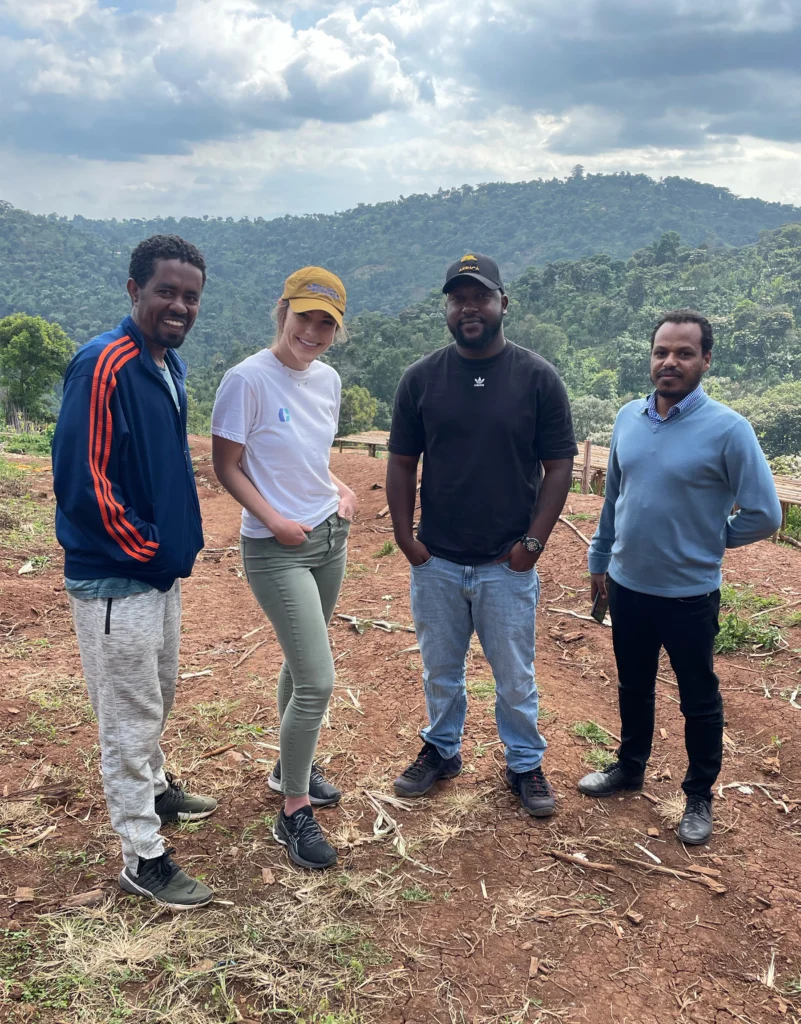
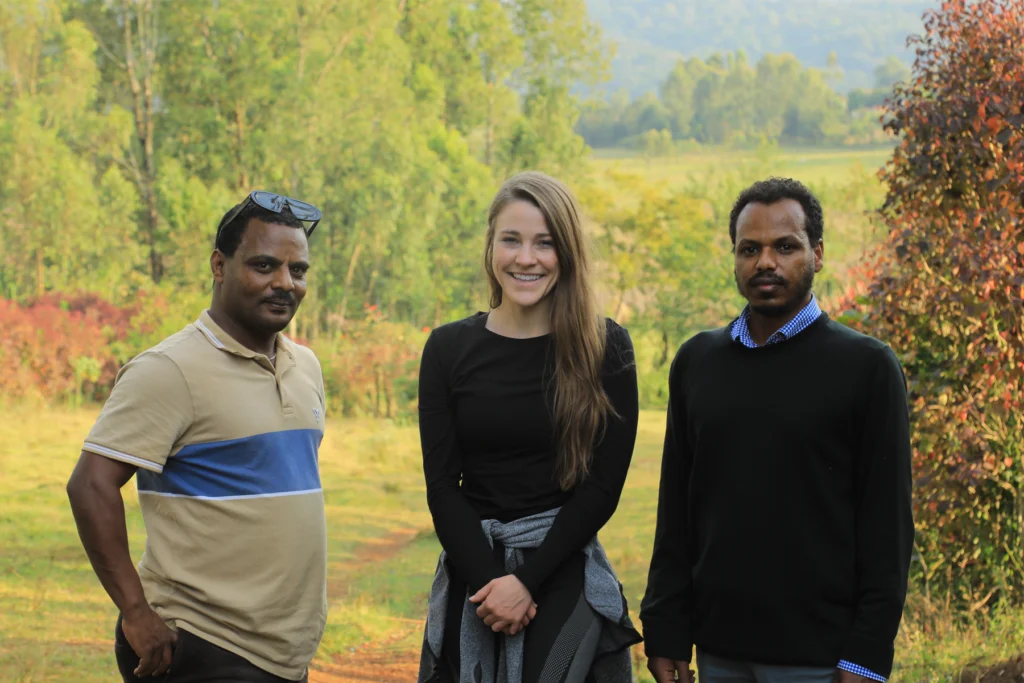
In the summer of 2022, I found myself sitting in the Ethiopian Ministry of Trade as officials debated how to regulate a commodity supply chain operating hundreds of miles away. Outside the capital of Addis Ababa, coffee moved across rural roads where rules were negotiated in real time by brokers, transporters, and local officials navigating contraband and informal taxation. In that room, policy ambitions collided with the realities of commodity circulation, where authority is determined by leverage rather than decree.
It was there that I saw most clearly how institutions function as living systems, shaped by incentives, information, and the actors who move through them. That realization, however, was the result of a much longer path.
I was first exposed to development contexts at a young age through time spent in Tanzania and the Democratic Republic of Congo, which shaped my interest in how structural conditions influence economic opportunity.
As I grew older, life took me from tropical jungles to concrete jungles. I moved to San Francisco after university and joined a tech startup backed by Y Combinator. It was my introduction to how ideas become products, how teams move from uncertainty to execution, and how iteration turns concepts into operational systems.
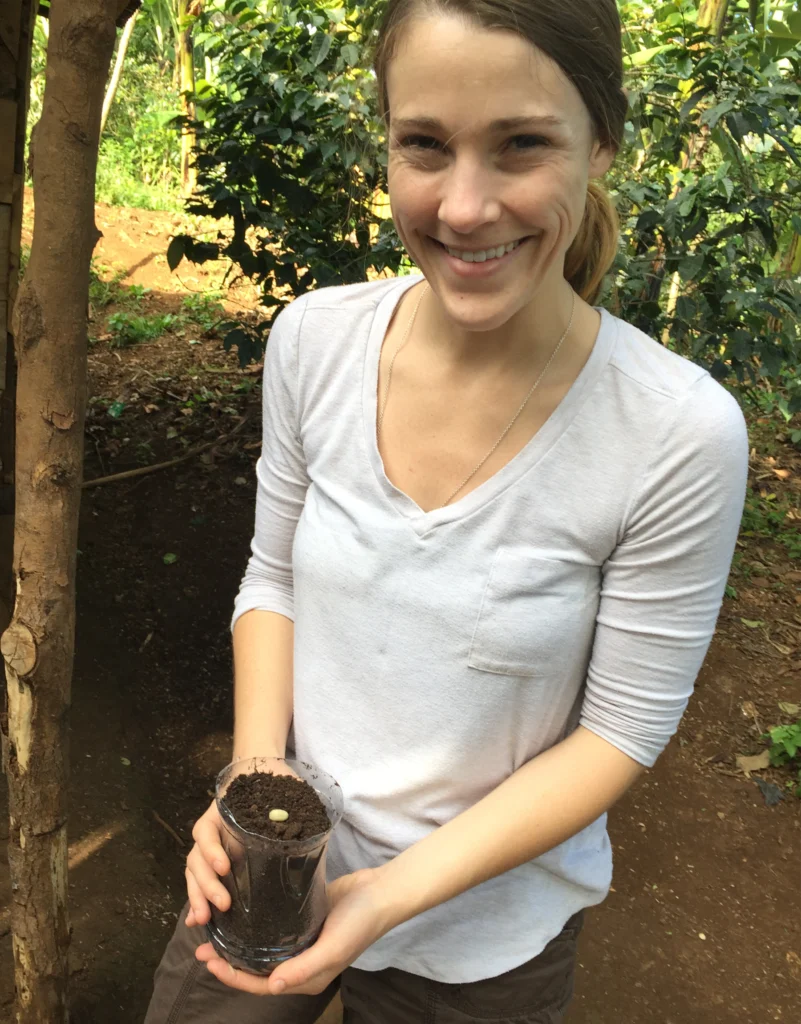
With time, I began to question whether I was applying these tools to the problems I was most interested in solving. That tension led me to leave San Francisco and return to Tanzania, with the goal of connecting technical systems to real-world market environments. That transition marked a shift from building products to understanding the systems those products could operate within.
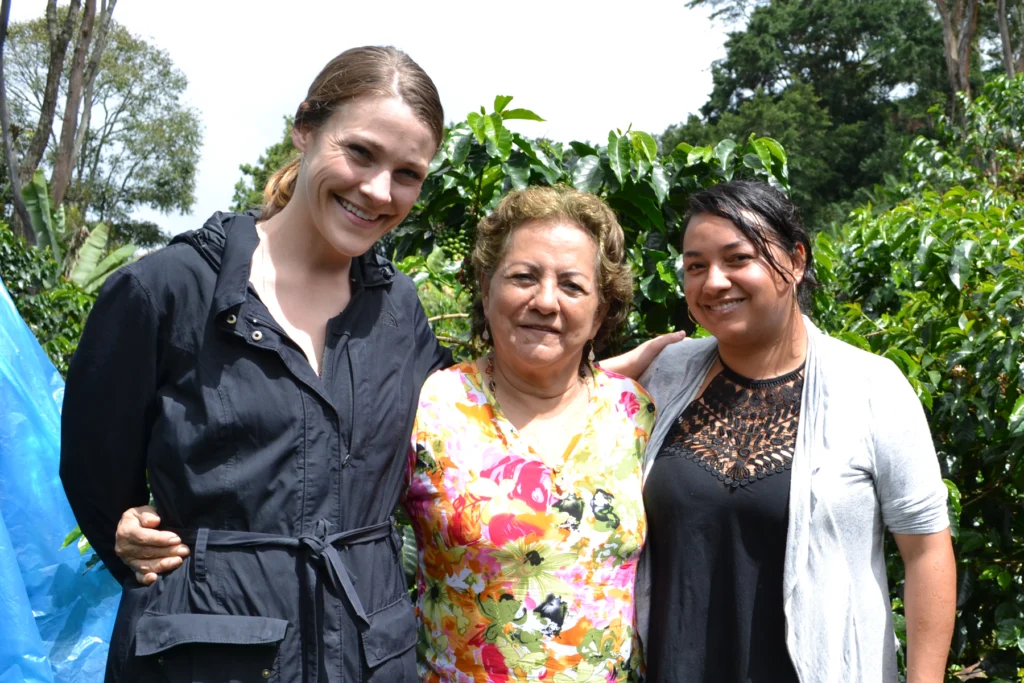
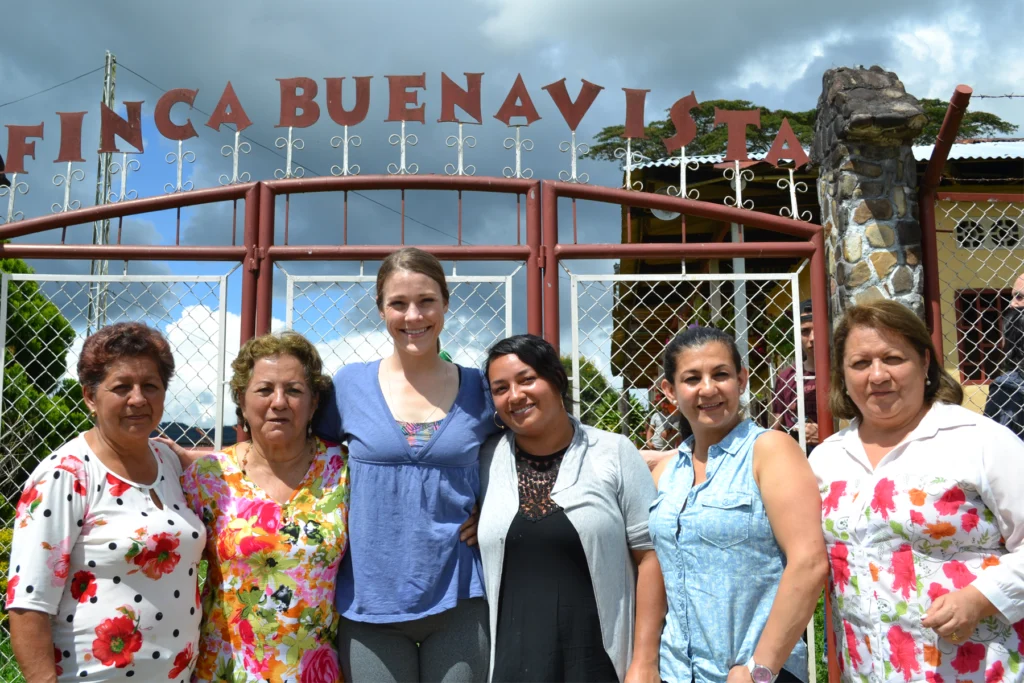
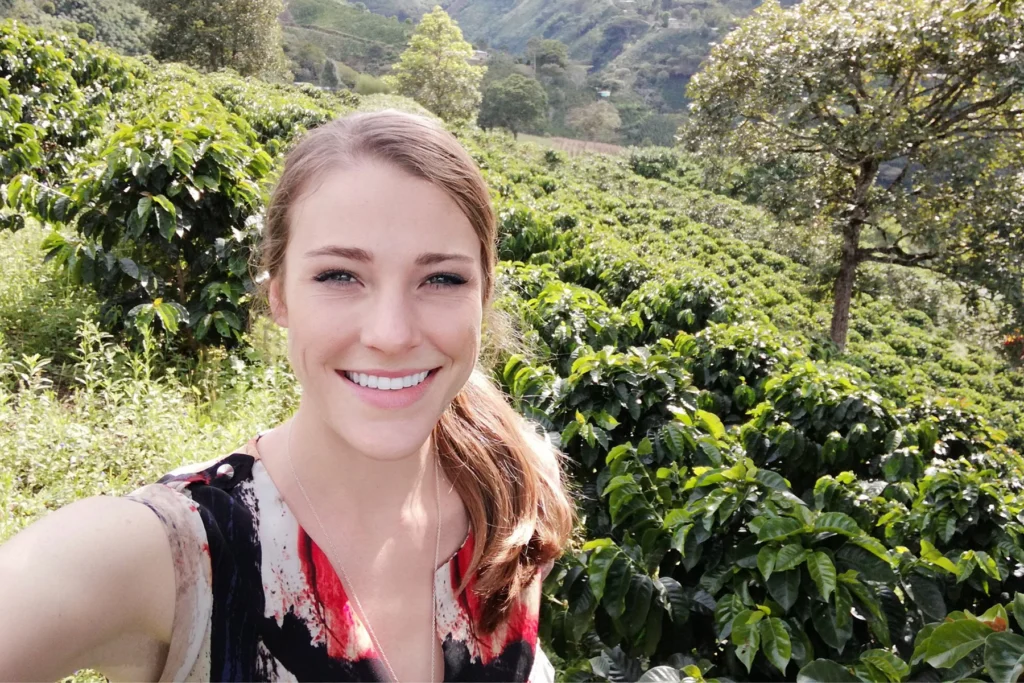
Over the following years, I lived across Africa and Latin America, working on USAID-funded projects in commodity supply chains. I began by applying technology and operational tools to improve how organizations captured and used data. As I moved from one context to the next, a consistent pattern emerged. Whether the issue was price opacity, weak coordination, market volatility, regulatory friction, or limited market access, actors were operating with incomplete or inconsistent information.
These were not isolated failures, but the result of systems that had never been designed to support the flow of information across all actors. That observation became a defining focus of my work.
I went on to work with governments, development institutions, and private sector actors on supply chain digitization and market system design. In Ethiopia, I spent a year working alongside the Ministry of Trade on the design of a digital commodity market system to improve traceability and exports. Building on this work, I founded a technology company backed by Techstars to deploy these systems across the Ethiopian coffee market. The platform integrated traceability, payments, licensing, and logistics into a single system connecting producers, exporters, and financial institutions.
Each project exposed new layers of systemic market challenges. Opacity is often the rational outcome of how markets are structured, and improving transparency requires more than new tools. It requires redesigning how information flows, how incentives align, and how coordination is achieved across actors.
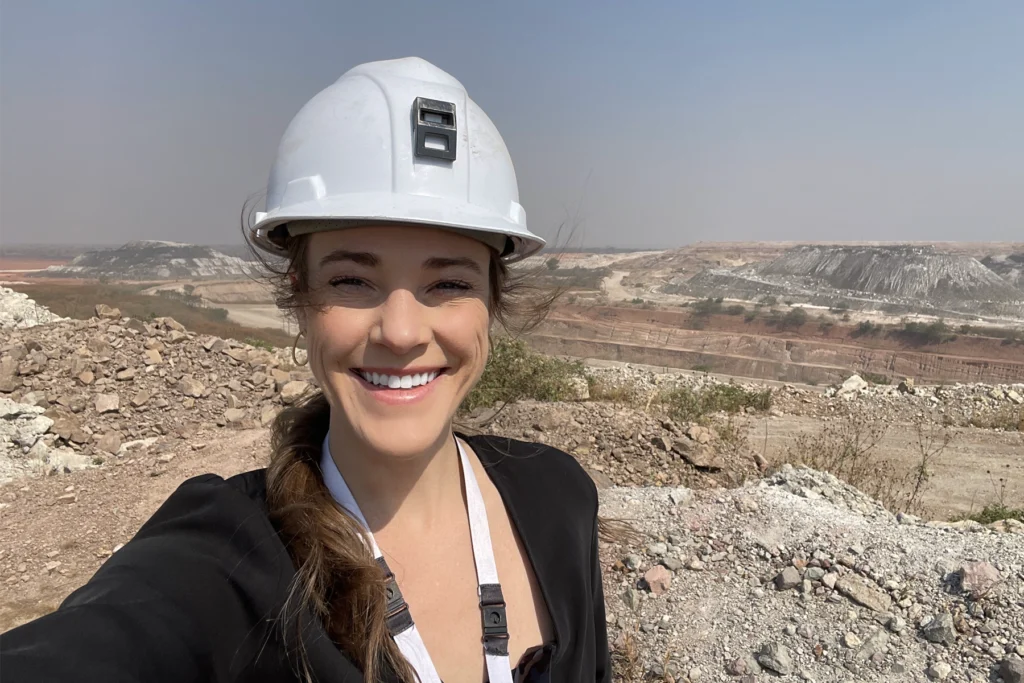
Today, my work sits at the intersection of research, policy, and system design across commodity markets ranging from agricultural products to minerals. I focus on how information, market structure, and institutional incentives shape economic outcomes, and how these systems can be redesigned to function more effectively.